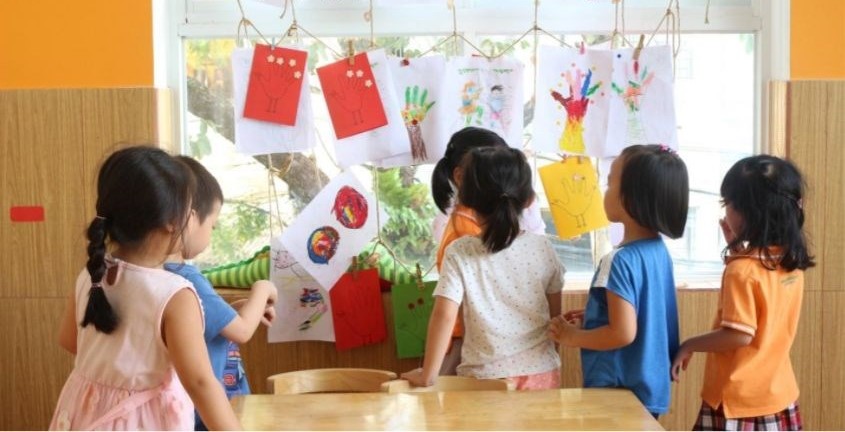
Educational methods are evolving rapidly in response to a constantly changing society and the growing need for children’s holistic development. Modern education no longer focuses solely on one-way knowledge transfer, but instead aims to help students become active learners, develop independent thinking, essential life skills, and the ability to adapt to the future world.
Educational methods grounded in modern pedagogy have been widely researched and applied in developed countries, and are gradually being introduced in Vietnam. Although each approach is built on a different philosophy, they share a common foundation: placing learners at the center and encouraging learning through real-life experiences.
In this article, four prominent educational methods—Montessori, STEAM, Project-based Learning, and Reggio Emilia—will be explored to provide a clearer understanding of their core characteristics, teaching approaches, and the value each brings to children’s overall development.
Montessori Method – Respecting a child’s natural learning pace
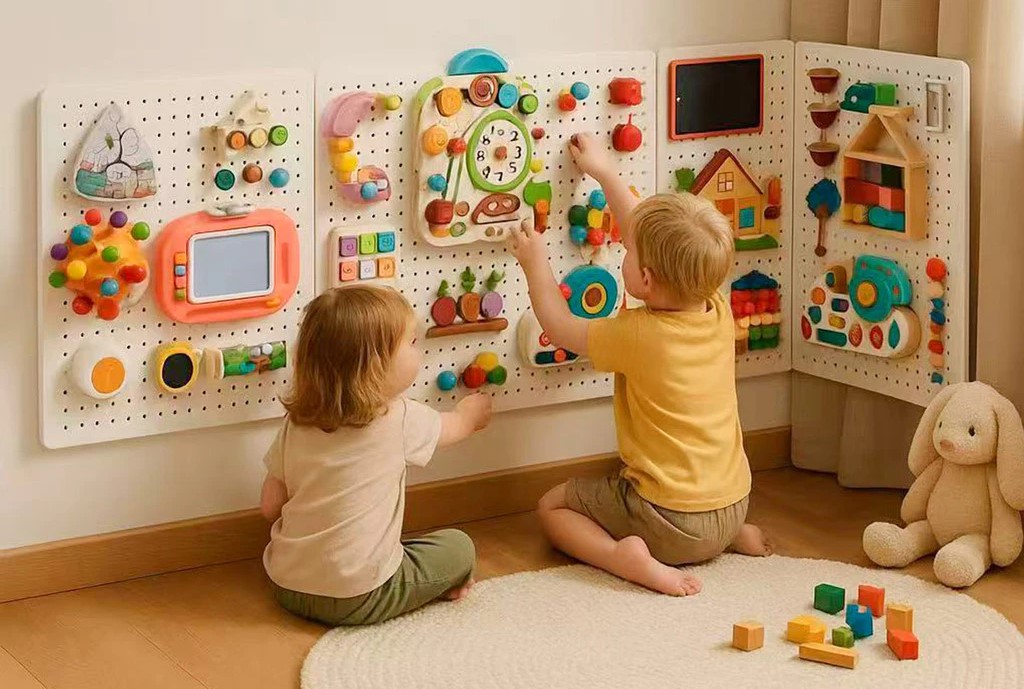
Montessori is an educational approach built on the philosophy that “children are at the center of the learning process.” Rather than imposing knowledge, Montessori creates a carefully prepared learning environment where children are free to choose activities that match their abilities and interests.
In a Montessori classroom, teachers act as observers and guides rather than traditional lecturers. Children are encouraged to learn independently through hands-on materials, practical activities, and real-world experiences. This process helps develop concentration, independence, and a sense of responsibility from an early age.
What makes Montessori distinctive is its respect for individual developmental pace. Each child learns at their own speed, without comparison or academic pressure, fostering self-confidence and a lasting love of learning.
STEAM Education – Learning to solve real-world problems
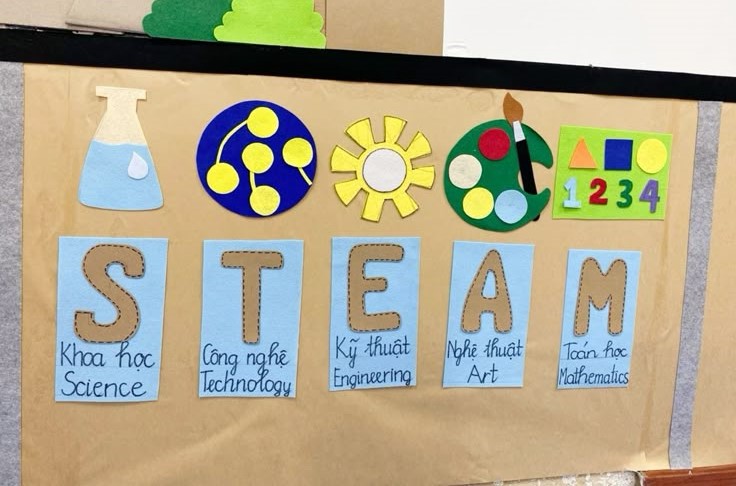
STEAM is an integrated educational approach that combines Science, Technology, Engineering, Arts, and Mathematics. Instead of studying subjects in isolation, students engage with knowledge through projects, challenges, and real-life situations.
The STEAM method helps children develop logical thinking, analytical skills, creativity, and problem-solving abilities. The “Arts” component plays a balancing role, ensuring students not only excel in technical thinking but also develop emotional intelligence, aesthetic awareness, and self-expression.
In a STEAM learning environment, students often work in groups to brainstorm ideas, experiment, make mistakes, and refine solutions. This process teaches collaboration, communication, and adaptability—essential skills for the 21st century.
Project-based Learning – Learning through real-life experiences
Project-based Learning is an educational approach in which students learn by carrying out long-term projects centered on real-world questions or problems. Instead of absorbing abstract theory, children are placed in practical contexts where they investigate, research, and develop solutions on their own.
The project process typically includes identifying a problem, planning, assigning tasks, gathering information, presenting outcomes, and engaging in reflection or discussion. Through this, students gain not only academic knowledge but also time management, critical thinking, and teamwork skills.
Project-based Learning is particularly effective in helping students achieve deep understanding and see the real value of learning. When children actively participate and create tangible outcomes, they retain knowledge longer and develop a proactive learning mindset.
Reggio Emilia Approach – Nurturing creativity and self-exploration
The Reggio Emilia approach originated in Italy and is well known for its philosophy of viewing children as capable, curious individuals with strong creative potential. This method emphasizes the learning environment as the “third teacher,” alongside educators and families.
In Reggio Emilia classrooms, children are encouraged to express their thoughts and emotions through various forms such as drawing, sculpting, storytelling, music, and artistic activities. Teachers do not provide fixed answers but instead explore questions and construct knowledge together with the children.
This approach supports the development of observation skills, creative thinking, and communication abilities. At the same time, it highlights the strong connection between schools, families, and the wider community in the educational process.