
In the culinary world—especially in baking—the terms bakery & pastry appear very frequently. However, many people still confuse these two concepts or use them interchangeably. In reality, bakery & pastry represent two distinct categories of baked goods, differing in nature, technique, and overall eating experience.
Understanding the true difference between bakery & pastry not only helps in naming products correctly, but also gives consumers, F&B professionals, and baking enthusiasts a clearer perspective on the world of bread and desserts.
What Is Bakery?
Bakery refers to a category of basic baked goods closely associated with everyday meals. This group focuses on structure, satiety, and consistency after baking rather than elaborate decoration or complex sensory experiences.
The core ingredients in bakery products typically include flour, yeast, water, and salt, with eggs or milk added depending on the recipe. The foundation of bakery lies in dough handling, fermentation, and baking processes, as these directly determine loaf volume, crumb structure, and overall flavor.
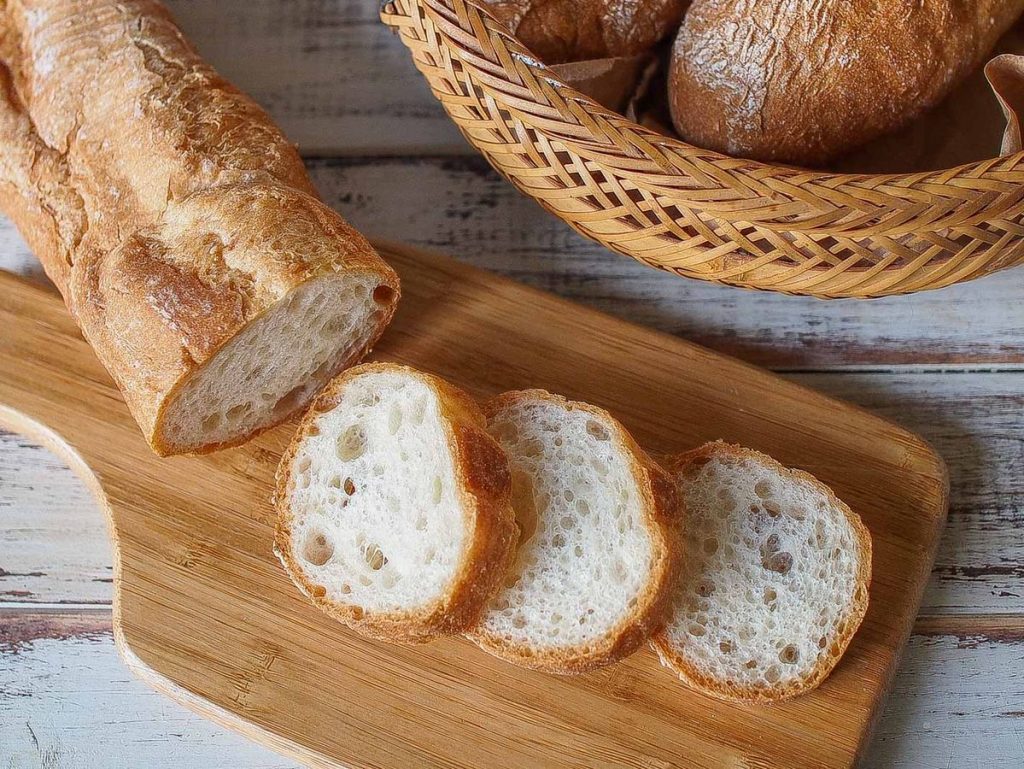
Bakery products are widely consumed in daily life and are commonly served for breakfast, snacks, or quick meals. Familiar bakery items include bread, baguettes, sandwiches, focaccia, sweet bread, and brioche-style loaves.
What Is Pastry?
Pastry represents a category of baked goods that emphasizes refinement, texture, and sensory enjoyment. Pastry items often feature layered, airy, or smooth structures, with richer flavors created by higher proportions of fat and sugar compared to bakery products.
Common pastry ingredients include butter, sugar, eggs, cream, chocolate, and specialized structural components. During preparation, precise control of temperature, timing, and technique is essential, as even minor deviations can significantly affect texture and flavor.
Pastry products are commonly found in upscale bakeries, restaurants, hotels, and F&B concepts that prioritize aesthetics and experiential dining. Well-known pastry items include croissants, éclairs, macarons, tarts, mousse cakes, and puff pastry—desserts enjoyed not only for their taste but also for their presentation and craftsmanship.

How Are Bakery & Pastry Different?
The primary distinction between the two categories lies in their intended purpose. Bread-based products are created for daily consumption, emphasizing fullness, durability, and practicality. Dessert-style items, in contrast, focus on sensory pleasure, emotional experience, and refined flavor expression.
In terms of ingredients, the first group relies on fundamental components such as flour, yeast, water, and salt, while the latter typically incorporates higher amounts of butter, sugar, and eggs—resulting in richer textures and more indulgent flavors.
From a technical perspective, this foundational category requires a strong understanding of dough fermentation and structural control. The more delicate branch, however, demands a high level of precision in ingredient handling, temperature management, and timing.
Regarding the eating experience, everyday baked goods tend to feel rustic, hearty, and familiar, whereas dessert-focused creations offer a lighter, creamier mouthfeel with layered and nuanced flavor profiles.

Bakery, with its wide range of baked goods from bread to sweet loaves, reflects its foundational role in the modern baking industry.
The Role of Bakery & Pastry in Modern Baking
In modern baking, the two disciplines are not opposing concepts but complementary fields that together shape the complete baking landscape. Each plays a distinct role, supporting one another in terms of technique, functionality, and overall consumer experience.
Bakery represents the foundation of the baking industry, focusing on dough science, fermentation, and structural integrity. These products serve everyday nutritional needs while emphasizing stability and versatility. The more dessert-focused side of the craft, meanwhile, elevates baking into an artistic and emotional realm, where advanced techniques create intricate textures, layered flavors, and strong visual appeal.
Understanding the true nature of these two branches allows for clearer classification—not only in naming, but also in usage and appreciation. This perspective explains why some baked goods prioritize fullness and structure, while others are designed to deliver delicacy, richness, and refined sensory enjoyment.
Grasping the distinction between these approaches provides a solid foundation for exploring the world of baking with clarity and accuracy—moving beyond surface-level appearances or habitual terminology.