
Starting a handcrafted chocolate business is a field full of potential, but it also comes with many challenges. Artisan chocolate is not only about great taste—it is an art form that requires deep knowledge of ingredients, processing techniques, equipment operation, and business management. Many newcomers to the industry make fundamental mistakes that lead to wasted ingredients, increased costs, and limited long-term growth.
1. Lack of Understanding of Ingredients and Cocoa Quality
One of the most common issues is insufficient knowledge of ingredients, especially cocoa—the soul of handcrafted chocolate. High-quality chocolate requires cocoa with the right balance of cocoa butter and solids, along with distinctive flavor profiles based on origin. Many new workshops focus only on price or bean appearance, overlooking critical factors such as origin, aroma, and aftertaste.
As a result, the final product often lacks consistency, experiences tempering defects, and struggles to achieve stable quality. To avoid this, founders should test different cocoa varieties, work with reliable suppliers, and, when possible, use professional chocolate machines to precisely control temperature and texture.

2. Ignoring Tempering Techniques and Chocolate Handling
Tempering is a crucial step to achieve shine, smooth texture, and to prevent white streaks or bloom on chocolate surfaces. Many startups skip this step or rely on intuition, resulting in soft chocolate that melts easily, looks unattractive, and has inconsistent fillings.
The solution is to use dedicated tempering machines or tempering support equipment to ensure accurate temperature control and even mixing. At the same time, staff training in proper tempering techniques is essential to standardize processes and minimize product defects.

3. Poor Ingredient Management and Unbalanced Equipment Investment
Another major mistake is inefficient ingredient management and unbalanced equipment investment. Some workshops invest too little in machinery, leading to slow and inefficient production, while others overinvest, resulting in high fixed costs and limited working capital. Poor inventory management also causes waste of cocoa, cocoa butter, sugar, and fillings, increasing production costs and reducing profit margins.
To address this, founders should plan investments based on realistic production scale, prioritize versatile and high-quality equipment, and implement a structured ingredient management system, ensuring proper storage conditions for cocoa and cocoa butter.
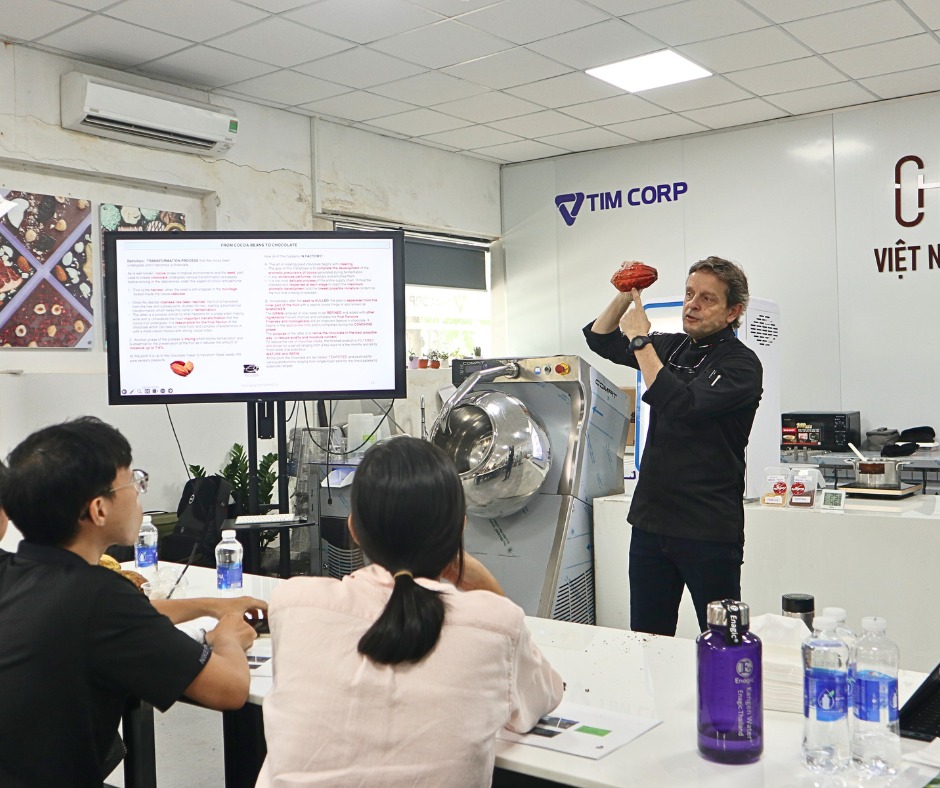
4. Lack of Branding and Marketing Strategy
Handcrafted chocolate is not just a product—it is a brand experience. Many new workshops focus heavily on production while neglecting branding, packaging, marketing, and distribution channels. As a result, even high-quality chocolate struggles to compete and reach customers.
The solution is to invest in professional packaging, develop a clear brand story, and combine online and offline marketing strategies. Chocolate tasting events, collaborations with F&B partners, and effective use of social media can enhance customer experience, increase brand visibility, and drive revenue.
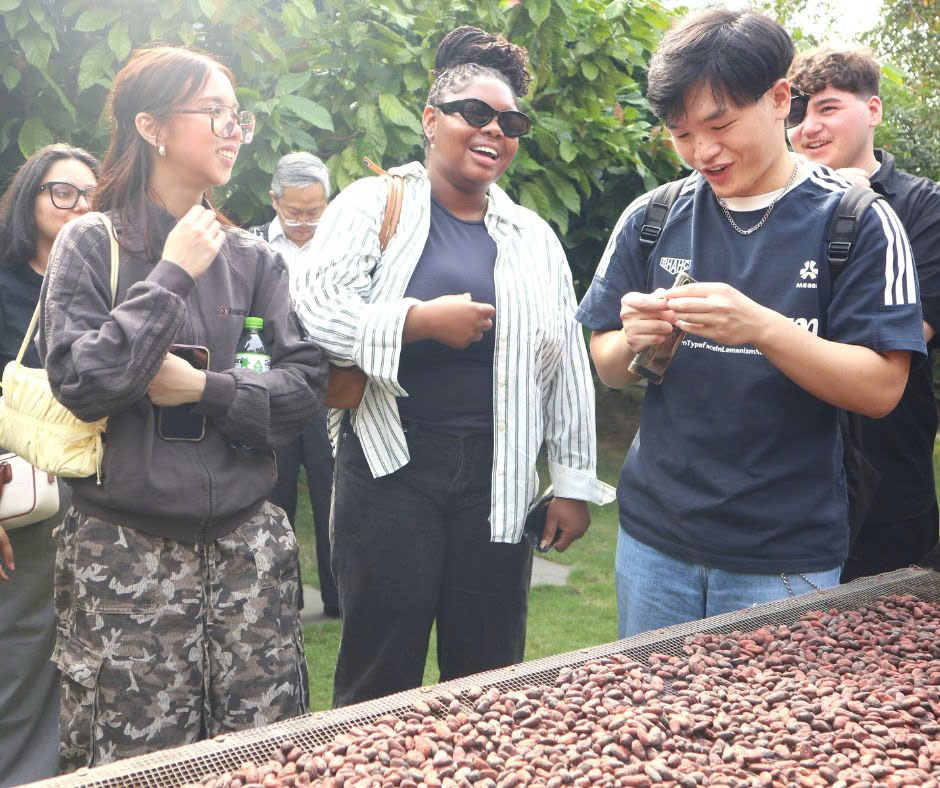
5. Neglecting Staff Training and Operational Processes
Handcrafted chocolate is a highly technical field, heavily dependent on skill and standardized operations. Without proper training or clear production processes, product quality becomes inconsistent, ingredients are wasted, and scaling production becomes difficult.
The solution lies in structured staff training, standardized operating procedures, and the use of professional chocolate machinery that simplifies operation, reduces errors, ensures consistent quality, and increases productivity. This approach supports sustainable growth and helps build a strong, reputable brand within the F&B industry.
Starting a handcrafted chocolate business is an exciting journey, but success requires expertise and strategic planning. By recognizing and avoiding these five common mistakes—poor ingredient knowledge, improper tempering, inefficient equipment and ingredient management, lack of branding strategy, and inadequate staff training—founders can significantly improve their chances of success.
The combination of standardized production techniques, smart management, and professional equipment forms the foundation for sustainable growth, higher product quality, and a strong presence in the competitive F&B market.