
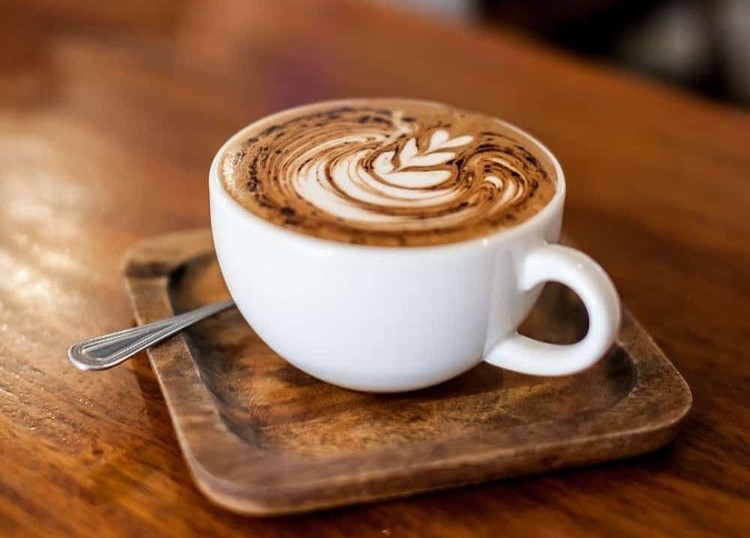
In the world of Italian coffee, espresso and cappuccino are two classic beverages found in almost every café—from small traditional coffee bars to modern chains. Although they are very familiar, many people still confuse Espresso and Cappuccino, or choose them out of habit without fully understanding the real differences between these two types of coffee.
So, what is the difference between Espresso and Cappuccino? The distinction goes beyond whether milk is added or not—it also lies in brewing methods, flavor profiles, drinking experiences, and the coffee culture associated with each beverage.
Espresso – The Core Foundation of Italian Coffee
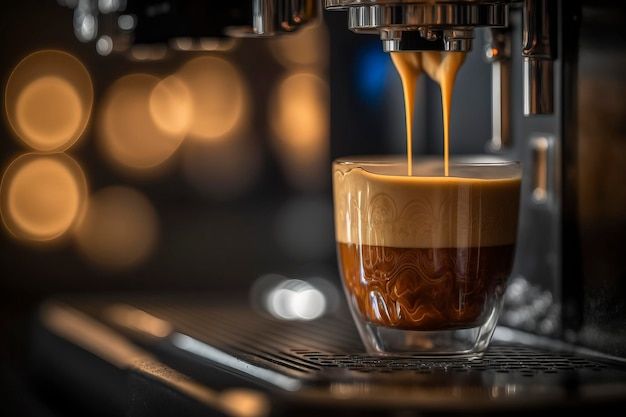
Espresso is a type of coffee brewed by forcing hot water under high pressure through finely ground coffee in a very short amount of time. This extraction method produces a small cup of coffee with an intense, concentrated flavor.
A standard Espresso typically has a volume of about 25–30 ml and is served in a thick, preheated cup to retain heat and aroma. On the surface of Espresso is a golden-brown crema—a fine foam layer that plays a crucial role in preserving aroma and indicating extraction quality.
In terms of flavor, Espresso is bold and intense, with a pronounced bitterness, a long-lasting aftertaste, and a powerful first sip. This is why Espresso is usually consumed quickly, allowing the drinker to fully experience the pure character of the coffee beans.
In Italian coffee culture, Espresso is not just a beverage—it is a way of life. Italians often stand at the bar, drink a quick Espresso, and then continue with their daily routines.
Cappuccino – The Balance Between Coffee and Milk
Cappuccino is a coffee beverage made from Espresso, combined with hot milk and smooth milk foam. A traditional Cappuccino consists of three balanced parts: Espresso, steamed milk, and a layer of milk foam on top.
Milk softens the bitterness of the coffee, creating a rounder, smoother, and more approachable flavor compared to straight Espresso. When drinking Cappuccino, you experience the harmony between coffee richness, the light creaminess of milk, and the silky texture of the foam.
In Italian coffee culture, Cappuccino is almost exclusively consumed in the morning, often alongside a light breakfast. Italians believe milk is not suitable after lunch or in the afternoon, which is why ordering Cappuccino later in the day is considered uncommon.
Beyond flavor, Cappuccino also has strong visual appeal. The milk foam provides a canvas for baristas to showcase milk-texturing skills and latte art—something Espresso does not offer.

How Are Espresso and Cappuccino Different?
The primary difference between Espresso and Cappuccino lies in their composition. Espresso is made from pure coffee only, while Cappuccino combines coffee and milk, resulting in two completely different tasting experiences.
In terms of flavor, Espresso is bold, intense, and concentrated—ideal for those who are accustomed to coffee and want to fully appreciate the original taste of the beans. Cappuccino, on the other hand, is gentler and more approachable, making it suitable for a wider audience, especially those new to the world of Espresso and Cappuccino.
When it comes to volume and drinking style, Espresso is small and typically consumed quickly, while Cappuccino has a larger volume and is meant to be enjoyed slowly and leisurely. This creates a clear contrast in the overall coffee experience.
If Espresso emphasizes extraction technique and bean quality, Cappuccino requires precise balance between Espresso and milk, along with accurate milk-texturing skills from the barista. These differences give Espresso and Cappuccino their own distinct identities within coffee culture.

Should You Choose Espresso or Cappuccino?
Choosing between Espresso and Cappuccino depends on personal taste and the purpose of drinking coffee. Espresso is ideal for those who love bold, pure coffee flavors, need a quick boost of alertness, and want to experience the true character of coffee beans.
Cappuccino, in contrast, is perfect for those who prefer a smoother, milk-balanced drink that is easy to enjoy and suitable for slow, relaxed moments. For many people, Cappuccino is also a gateway before transitioning to pure Espresso.
In the F&B environment, understanding the difference between Espresso and Cappuccino is foundational knowledge for baristas and café operators. Espresso is considered the “backbone” of the coffee bar, determining the quality of many coffee-based drinks, while Cappuccino clearly showcases a barista’s skills in extraction, milk steaming, and flavor balancing.
A café may serve excellent Espresso but still fail to deliver a great Cappuccino, as each drink requires different levels of control, technique, and finesse.
Although Espresso and Cappuccino both originate from Italian coffee traditions, they offer two completely different experiences. Espresso represents purity, intensity, and concentration, while Cappuccino delivers balance, softness, and accessibility.
Understanding the difference between Espresso and Cappuccino not only helps you choose the right drink for your taste but also allows you to better appreciate the value of each cup of coffee you enjoy.