
Espresso coffee is more than just a beverage—it is the essence of Italian coffee culture. Have you ever taken a sip of rich, full-bodied Espresso coffee and truly savored the essence of the coffee bean? Each cup tells a story of technique, flavor, and the art of brewing. A well-prepared shot can awaken all the senses, from its enticing aroma and complex taste to the visual appeal of the characteristic smooth, golden crema.
What is Espresso Coffee?
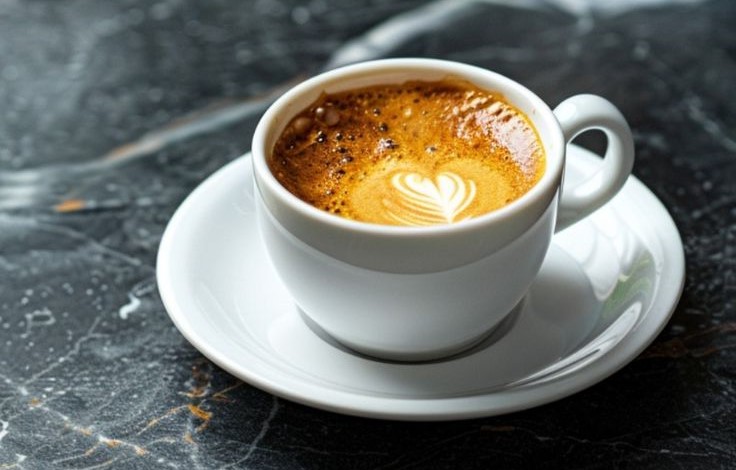
Espresso coffee is brewed by forcing a small amount of nearly boiling water under high pressure through finely ground beans. The extraction process is quick, taking only 25–30 seconds, producing a small (25–30ml) yet intensely flavored, balanced, and nuanced shot. Its signature features are concentrated flavor, rich aroma, and a smooth layer of crema on top, which preserves the scent and elevates the drinking experience to an art form.
A perfectly crafted shot is not only bold but also balanced in bitterness, acidity, and a subtle sweet finish, reflecting the skill and experience of the barista.
This multi-sensory experience, from the first glance at the golden crema to the layered, well-balanced flavors, tells a story of coffee quality, brewing technique, and the barista’s dedication. Such attention to detail makes Espresso coffee an iconic representation of coffee culture, allowing anyone who tastes it to experience the harmony of art and flavor.
The History of Espresso Coffee – From Italy to the World
Espresso coffee emerged in early 20th-century Italy with the invention of the high-pressure coffee machine, designed to meet the fast-paced urban lifestyle. Initially brewed using mechanical machines, it evolved into steam-based machines and eventually into the high-pressure extraction machines we use today.
IIn Italy, Espresso coffee is more than a drink—it’s a moment to relax, socialize, and connect. Each cup is part of the culture, intertwined with daily life and the art of savoring coffee. Today, this style of coffee has spread worldwide, becoming the benchmark in high-end cafés and the first step for anyone exploring the world of professional coffee.
Characteristics of Espresso Coffee
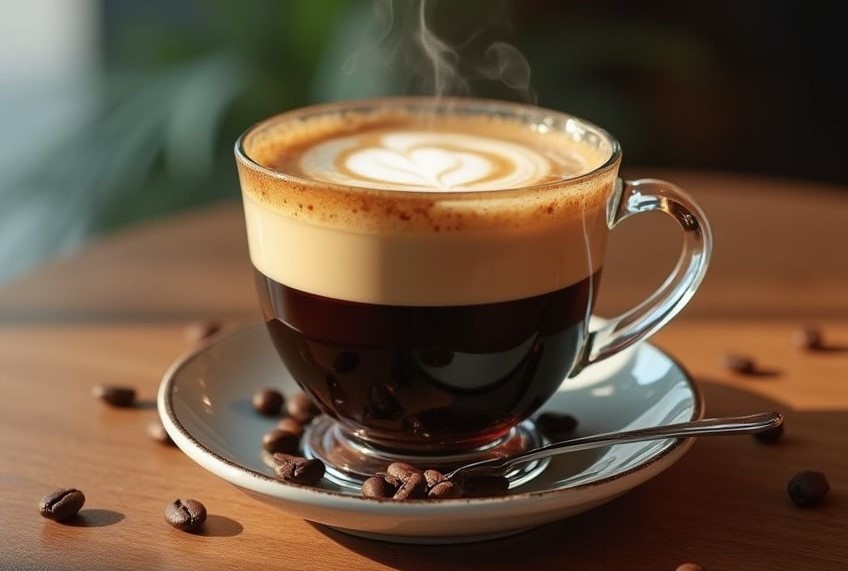
Espresso coffee is distinguished by its full-bodied taste, balancing light bitterness, a subtle sweetness, and gentle acidity. A standard shot delivers the essence of coffee in just 25–30ml, with a golden crema that retains aroma and provides visual appeal.
It also serves as the base for many other coffee drinks such as Cappuccino, Latte, or Macchiato. Its concentrated texture and distinctive flavor allow for versatile combinations with milk, cream, or hot water, offering experiences ranging from bold and intense to smooth and mild.
Quality depends on several factors: coffee bean type, grind size, extraction pressure and temperature, and brewing technique. A successful shot is the harmony of ingredients, technique, and sensory perception, allowing the drinker to fully enjoy each layer—from the crema to the delicate sweet finish.
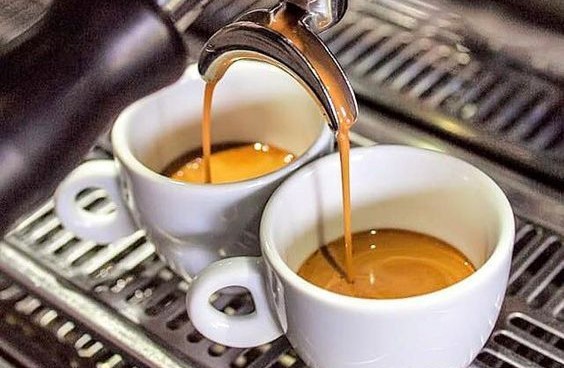
Espresso coffee embodies the essence of coffee—small in size but complete in flavor. It is both a beverage and a cultural experience. Savoring it allows one to appreciate every layer of flavor, from the creamy crema to the subtle sweet finish, perfect for anyone who loves rich coffee and wants to explore the depth of the coffee world.