
Gelato is Italy’s traditional frozen dessert, renowned for its dense, silky texture, pronounced flavors, and a production method that emphasizes craftsmanship. More than simply a cold dessert, gelato reflects the core philosophy of Italian cuisine: respect for natural ingredients, strict control over every stage of preparation, and a commitment to delivering a complete sensory experience.
Compared to many other popular ice creams, gelato is made with a lower fat content, incorporates significantly less air, and is typically served at a slightly higher temperature. As a result, gelato retains a rich, concentrated flavor, a smooth and supple structure, and a slower melt in the mouth, allowing its flavors to unfold clearly and harmoniously. These characteristics have helped gelato move beyond the role of an ordinary sweet treat to become a familiar choice in modern food culture, enjoyed across many countries worldwide.
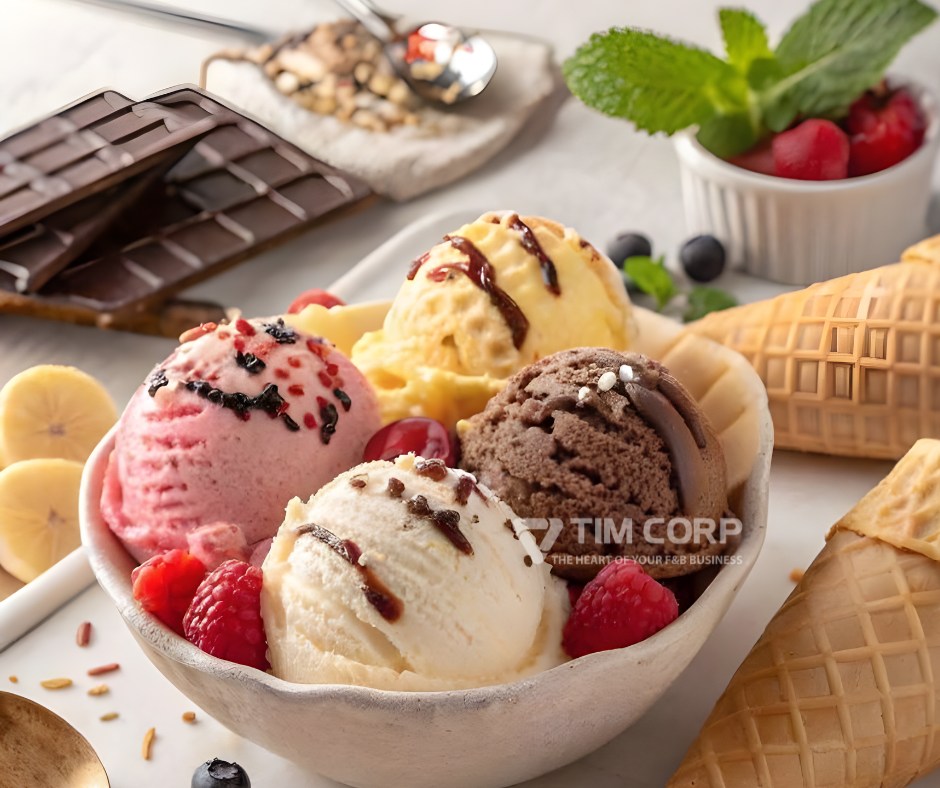
THE JOURNEY OF GELATO – FROM HISTORY TO THE PRESENT
Early forms of gelato—Italy’s traditional frozen dessert—can be traced back to ancient Rome, when mountain snow was mixed with honey and fruit to create chilled delicacies reserved for the aristocracy. Although technically simple, these recipes are considered the first steps toward the concept of controlled frozen desserts, forming an important foundation in the history of artisanal ice cream.
By the 9th century, in Sicily—a region deeply influenced by Arab culture—sherbet-like preparations made from fruit juices and mountain snow began to appear. This period marked a crucial transition, during which the precursors of Italy’s traditional ice cream were gradually refined, enhancing flavor while paving the way for more stable freezing techniques.
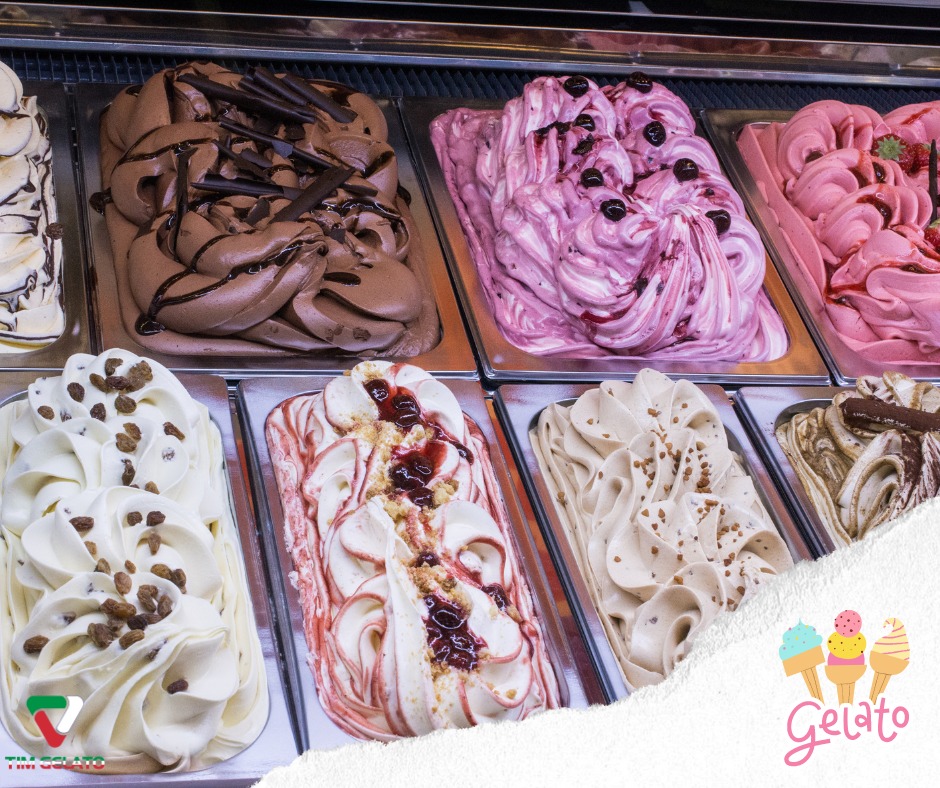
During the Renaissance, as Italian art and cuisine flourished, royal chefs began using milk, sugar, and ice-and-salt cooling methods to create smoother, more uniform frozen desserts. A decisive breakthrough came in the 17th century with the adoption of continuous churning during freezing—known as mantecazione. This technique limited the formation of ice crystals, producing the dense, creamy structure that defines gelato and laying a solid foundation for the iconic Italian ice cream we know today.
From there, gelato gradually became part of everyday Italian life, widely available in artisanal gelaterias and firmly embedded in local food culture. Over centuries of development, Italy’s traditional ice cream has continuously evolved in technique and ingredients, while preserving its artisanal spirit, rigorous processes, and the authentic values that define gelato’s identity.
WHAT CREATES GELATO’S DISTINCTIVE STRUCTURE?
To truly understand what gelato is, one must look at its structure—the defining element of Italy’s traditional ice cream. Gelato is built on a carefully balanced combination of three key components: water, sugar, and air, all strictly controlled throughout the artisanal production process.
Water, primarily derived from milk and fresh fruit, provides the cooling effect and directly influences texture. Sugar not only delivers balanced sweetness but also stabilizes the structure by limiting ice crystal formation during freezing. Meanwhile, the amount of air incorporated into gelato is significantly lower than in industrial ice cream, resulting in a higher density, a richer mouthfeel, and a slower melt.
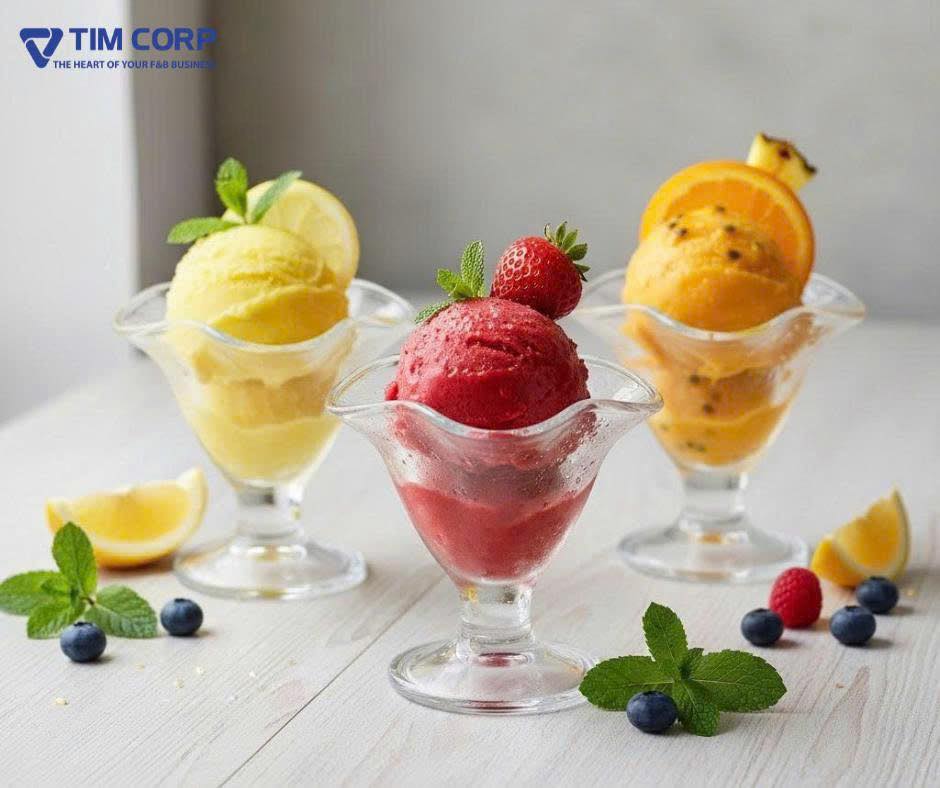
Thanks to this structure, gelato offers clear, defined flavors that do not become diluted as it melts, allowing the taster to fully experience each layer of flavor from the ingredients. Common components of Italy’s traditional ice cream include fresh milk, cream, sugar, fresh fruit, nuts, chocolate, and natural vanilla. Ingredient quality combined with precise technique directly determines the final quality of the gelato.
GELATO IN MODERN CONSUMER TRENDS
While many traditional ice creams contain between 10–25% fat, gelato—Italy’s traditional ice cream—typically contains only about 4–9%. This lower fat content creates a lighter sensation on the palate, avoiding heaviness while still preserving the intense flavors of the ingredients. This is one of the key factors that sets gelato apart from mass-produced ice creams.
In addition to its lower fat content, Italy’s traditional ice cream stands out for its low air incorporation, giving gelato a higher density and more pronounced flavors as it melts. Consumers can clearly perceive the taste of milk, fruit, or nuts without the “fluffy” or diluted sensation common in many other ice creams.
Notably, fruit-based gelato (sorbetto)—an important category within Italy’s traditional ice cream—generally contains little to no dairy fat, focusing entirely on the natural flavor of fresh fruit. This aligns well with modern consumption trends that prioritize transparency of origin, minimal additives, and a pure, authentic sensory experience—true to the spirit of traditional Italian cuisine.

GELATO IN VIETNAM – FROM TREND TO DEVELOPMENT POTENTIAL
In recent years, gelato—Italy’s traditional ice cream—has become increasingly visible in Vietnam, particularly in cafés, restaurants, and experience-driven F&B concepts. Alongside classic flavors rooted in Italian culinary heritage, gelato is now being creatively adapted using local ingredients such as mango, coconut, avocado, and other tropical fruits, creating an intriguing blend of tradition and localization.
This combination of traditional Italian gelato-making techniques with Vietnamese agricultural products not only makes gelato more appealing to local palates, but also opens up sustainable growth potential for Vietnam’s frozen dessert market—where consumers are increasingly focused on ingredient quality, product transparency, and distinctive culinary experiences.