
Vietnam is the world’s second-largest coffee exporter and also ranks first in coffee cultivation productivity. Thanks to favorable natural conditions, diverse climates, and long-standing farming experience, Vietnamese coffee is not only produced in large volumes but also includes a wide range of varieties with distinctive flavor profiles.
From the bold cups enjoyed in daily life to high-value specialty coffees, each Vietnamese coffee type reflects its growing region, cultivation methods, and consumer drinking habits. Below are four of the most popular Vietnamese coffee varieties today, representing a comprehensive overview of the domestic coffee industry.
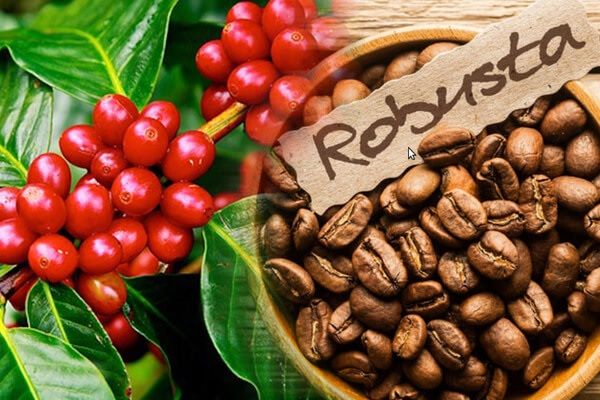
Robusta Coffee – Vietnam’s Core Coffee Variety
Robusta is the most widely cultivated coffee variety in Vietnam and accounts for the largest share of the country’s total coffee exports. Robusta plantations are mainly concentrated in the Central Highlands, including Đắk Lắk, Gia Lai, Đắk Nông, and Kon Tum. The hot climate, stable rainfall, and fertile basalt soil in these regions create ideal conditions for high and consistent yields.
In terms of flavor, Robusta is known for its bold intensity, pronounced bitterness, low acidity, strong aroma, and long-lasting aftertaste. Its high caffeine content is a defining characteristic, delivering a quick and noticeable energizing effect.
Thanks to its strong flavor, ease of brewing, and compatibility with traditional methods such as phin brewing, milk coffee, or iced coffee, Robusta has become deeply embedded in Vietnamese daily life. Within the Vietnamese coffee landscape, Robusta plays a foundational role, widely used in both everyday consumption and the F&B business sector.
Civet Coffee (Kopi Luwak) – A High-Value Specialty Coffee
Civet coffee is one of Vietnam’s most internationally recognized coffee types due to its unique production process. The coffee beans are collected after passing through the natural digestive system of civets, then thoroughly cleaned and processed using specialized methods. In Vietnam, civet coffee is mainly found in selected areas of the Central Highlands where suitable ecological conditions exist.
The flavor profile of civet coffee is considered distinctly different from conventional coffees. It features mild bitterness, low harshness, gentle sweetness in the finish, and a smooth, well-rounded mouthfeel. Aromatic notes often include chocolate, caramel, and a subtle natural nuttiness, creating a refined and pleasant tasting experience.
Civet coffee is regarded as a specialty coffee with limited production and high market value. In Vietnam’s coffee industry, it is commonly associated with experiential consumption, premium gifting, and high-end market segments rather than mass consumption.

Arabica Coffee – Light, Refined, and Elegant
Arabica is highly regarded for its sensory quality and has gained increasing attention within the Vietnamese coffee market. This variety is primarily grown in Lâm Đồng Province, especially in high-altitude areas such as Cầu Đất – Đà Lạt, where cool temperatures and stable climatic conditions create an ideal environment for cultivation.
Compared to Robusta, Arabica from Vietnamese coffee regions offers lighter bitterness, brighter acidity, and a more complex aromatic profile. During processing, the beans often develop delicate notes of fruit, florals, or light caramel. When tasted, the flavor transitions smoothly from gentle acidity to soft bitterness, leaving a clean and pleasant aftertaste.
Within the broader Vietnamese coffee landscape, Arabica represents a segment centered on flavor exploration and sensory experience. It is commonly featured in modern cafés, specialty coffee shops, and brewing methods that emphasize aroma clarity and refined taste expression.

Cherry Coffee (Mit Coffee) – A Mild Option in Vietnamese Coffee
Cherry coffee, also known locally as “Mit coffee,” is a coffee variety with distinctive physical and flavor characteristics. When ripe, its cherries are red, grow in clusters, and resemble cherry fruit in appearance. This coffee is typically cultivated in highland regions with dry climates, abundant sunlight, and strong winds.
After processing, Cherry coffee beans display a characteristic light yellow color. In terms of taste, this variety offers mild acidity, a gentle aroma, low bitterness, and a smooth, easy-drinking profile. Due to these traits, Cherry coffee is often used in blends to balance and soften overall flavor profiles.
In the broader picture of Vietnamese coffee, Cherry coffee contributes to varietal diversity and expands consumer options, particularly for those who prefer a lighter, more approachable coffee style.

Vietnamese coffee is not only abundant in production but also rich in flavor diversity, characteristics, and usage value. From the bold familiarity of Robusta and the refined elegance of Arabica, to the easy-drinking nature of Cherry coffee and the premium exclusivity of civet coffee, each variety reflects Vietnam’s natural conditions, coffee culture, and deep-rooted relationship with coffee in everyday life.
Understanding each type of Vietnamese coffee allows consumers to choose products that best suit their preferences while offering a clearer perspective on Vietnam’s coffee industry—one that is not only strong in output but increasingly focused on quality and experiential value.