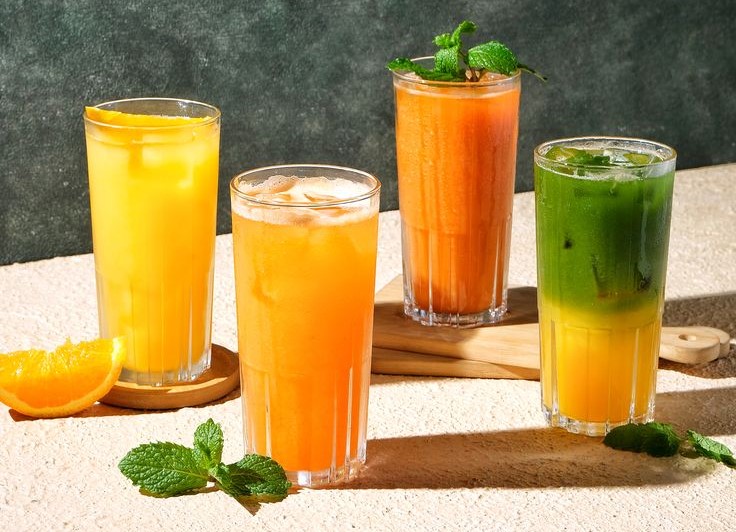
Self-learning beverage mixing has become a popular choice for many young people who love drinks, want to save on training costs, and prefer flexible schedules. With just a smartphone, a few tutorial videos, and recipes shared online, almost anyone can begin their journey into self-learning beverage mixing at home.
However, in reality, many people spend a great deal of time on self-learning beverage mixing yet still struggle to achieve consistent quality, balanced flavors, or noticeable skill improvement. The issue is rarely a lack of passion—it usually comes from common mistakes made during the learning process.
Below are the most frequent mistakes beginners encounter in self-learning beverage mixing, along with practical insights to help you avoid unnecessary detours and progress faster.
Memorizing recipes without understanding mixing principles
One of the biggest mistakes in self-learning beverage mixing is relying too heavily on fixed recipes. Many beginners believe that following exact ratios guarantees a good drink. In practice, recipes are only the surface; true quality comes from understanding how ingredients interact.
Without grasping the role of tea bases, syrups, milk, acidity, or ice, drinks can easily separate, taste flat, feel harsh on the finish, or lose color. When ingredients or conditions change, rigidly sticking to recipes leaves learners unable to adjust.
Understanding principles allows self-learning beverage mixing to become flexible, adaptive, and creative rather than mechanical copying.
Skipping taste testing during the process
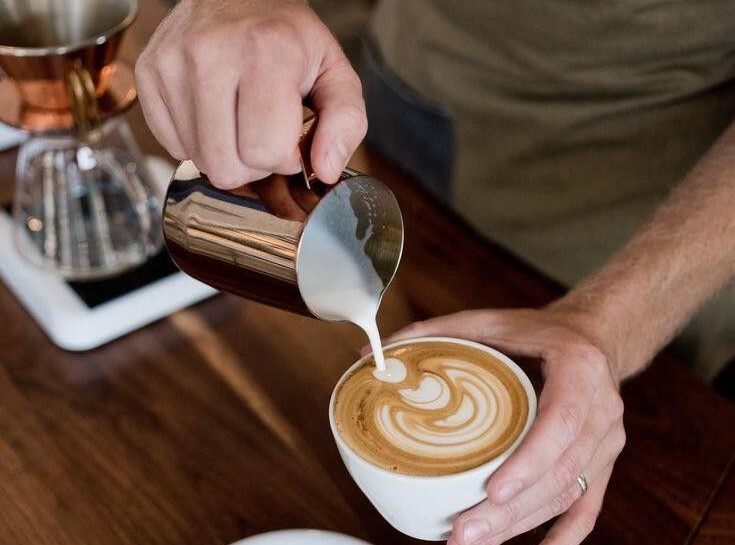
Many beginners practicing self-learning beverage mixing only taste their drink after it is finished—or skip tasting altogether because they believe they followed the recipe correctly. This habit seriously limits long-term improvement.
Taste preferences, ingredient quality, and environmental factors constantly change. Tasting during each stage helps identify imbalances early and correct them in time. In real F&B work, tasting is a core skill, not an optional step. Without it, self-learning beverage mixing often leads to confusion about why a drink “feels off” despite correct measurements.

Using unsuitable or low-quality ingredients
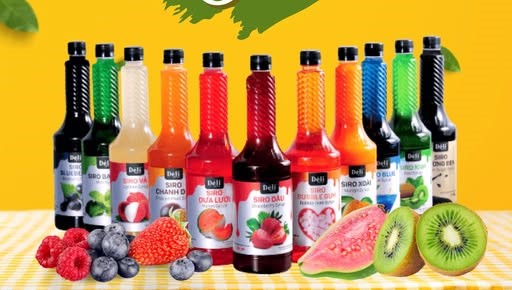
Another common issue is choosing ingredients based on convenience or low price rather than suitability. Incorrect tea preparation, the wrong syrup type, or mismatched milk can completely disrupt flavor balance.
Even when ratios are correct, low-quality ingredients can lead to dull, harsh, or unusual flavors. Many beginners lose motivation because they cannot identify the real cause of failure. A solid understanding of ingredients is essential for consistent results and helps reduce unnecessary trial and error.
Focusing too much on appearance and neglecting flavor
In the age of social media, self-learning beverage mixing is often driven by visually striking drinks with layers and toppings—but weak flavor depth. While appearance attracts attention, flavor determines real satisfaction and repeat enjoyment.
A beautiful drink that tastes unbalanced will never succeed in a professional F&B context. For anyone serious about self-learning beverage mixing, flavor should always come first. Once the base taste is right, presentation naturally becomes easier to refine.