
In the world of chocolate, chocolate bars are the most fundamental and widely used application. From direct enjoyment to flavor innovation, product development, pastries, and gifts, every chocolate journey begins with a high-quality chocolate bar.
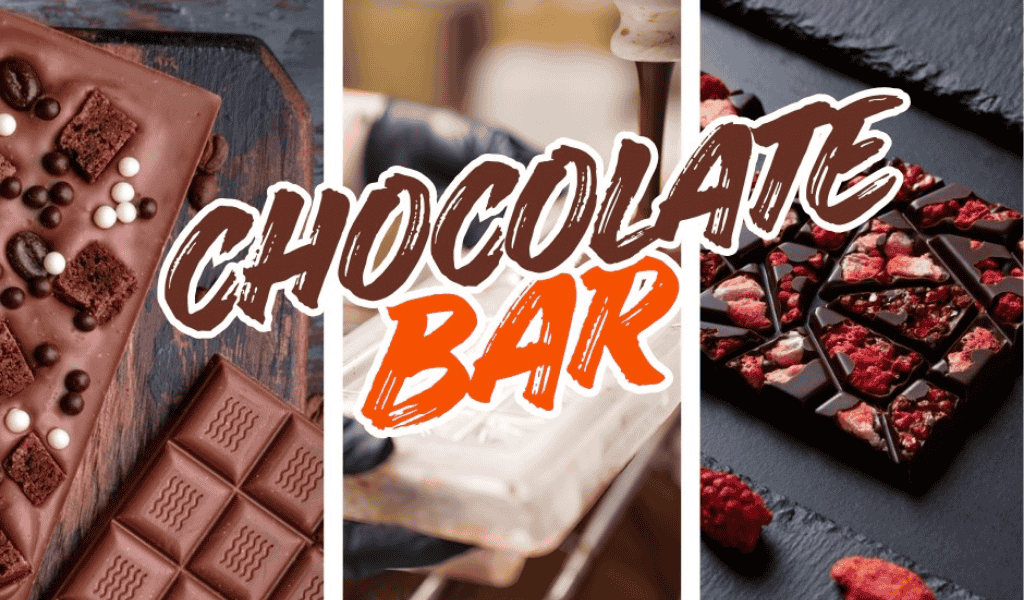
In the world of chocolate, where flavor, craftsmanship, and creativity constantly intersect, the chocolate bar is widely regarded as the most fundamental and commonly used form. More than just the original and most accessible format for consumers, this format serves as the starting point for most applications and innovations in the modern chocolate industry.
From everyday chocolate lovers to artisan makers who follow the Bean to Bar philosophy, this pure form of chocolate plays a central role in experiencing cacao flavor, evaluating ingredient quality, and developing new products. A well crafted bar can clearly express the origin of cacao beans, the processing techniques involved, and the philosophy of the chocolate maker.
Beyond direct consumption, this form of chocolate is widely used in pastries, desserts, premium gifts, and creative flavor concepts, forming a foundational element throughout the entire chocolate value chain.
What Is a Chocolate Bar?
A chocolate bar is a form of chocolate molded into a solid bar, preserving its complete structure and fully reflecting the characteristics of the product. It is the most original, convenient, and accessible form of chocolate for consumers, while also offering a clear expression of ingredient quality and production techniques.
This product category can be made from dark chocolate, milk chocolate, or white chocolate. In bar form, chocolate retains the full profile of cacao flavor, richness, sweetness, and finish, allowing consumers to easily recognize the differences between cacao varieties as well as the craftsmanship of the chocolate maker.
Why Are Chocolate Bars Considered The Number One Application Of Chocolate?
1. The Most Original And Easiest Form Of Chocolate To Enjoy
Compared to more complex chocolate applications, this form is the most original and intuitive. It can be enjoyed directly without any additional processing, allowing consumers to fully experience the natural cacao flavor, smooth texture, melting quality, and long lasting finish. This is also why many experts use chocolate bar as the standard format for evaluating chocolate quality.
2. The Foundation For All Chocolate Creations
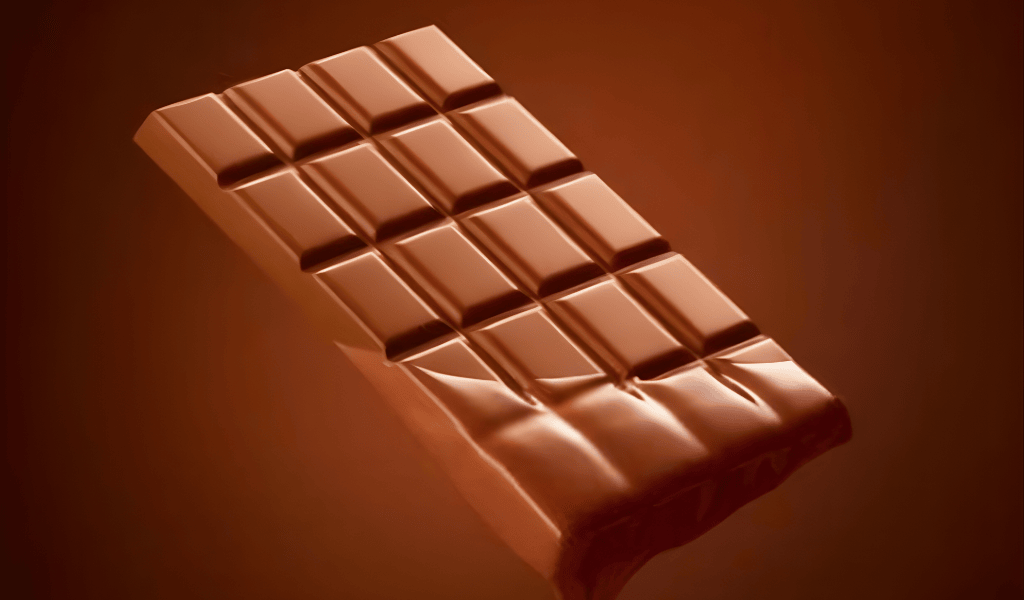
Beyond simple enjoyment, chocolate bar serve as the foundation for nearly all creativity within the chocolate industry. From breaking and melting to combining with other ingredients, most chocolate products begin with this original form, making it the starting point for product development.
Flavor Versatility Of Chocolate Bars
One of the key reasons chocolate bars hold a central position in the world of chocolate is their exceptional flavor versatility. Built on the base of a pure chocolate bar, chocolate makers can expand the sensory experience by incorporating a wide range of complementary ingredients.
When combined with premium nuts, chocolate achieves a balance between crisp texture and smooth richness. Dried fruits add a gentle acidity that highlights cacao notes, while flavors such as caramel, matcha, coffee, or mint open up broad creative possibilities, allowing each product to carry a distinct and personal signature.
Chocolate Bars In The World Of Artisan And Bean To Bar Chocolate
In the field of artisan and Bean to Bar chocolate, chocolate bars play a pivotal role. They are the clearest expression of cacao bean quality and reflect the entire production process, from roasting and grinding to conching.
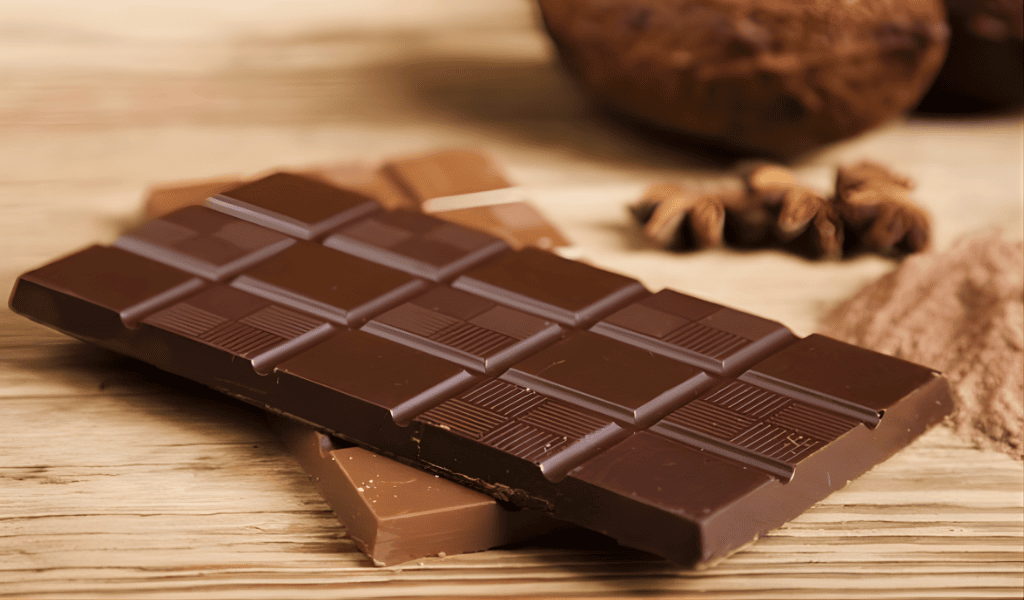
Beyond technical skill, chocolate bar also convey the chocolate maker’s philosophy, telling the story of cacao origin, growing regions, and climatic conditions.
Applications Of Chocolate Bars In Daily Life And Business
1. Direct Consumption
This form of chocolate is most commonly enjoyed by breaking it into small pieces and tasting it slowly. Doing so allows consumers to fully experience the depth of cacao flavor, the smooth texture as it melts, and the lingering finish on the palate. Direct tasting also makes it easier to evaluate important quality factors such as balance, mouthfeel, and consistency, which is why this format is often used by professionals and enthusiasts alike to assess overall chocolate quality.
2. Ingredients For Pastries And Desserts
This form of chocolate is most commonly enjoyed by breaking it into small pieces and tasting it slowly. Doing so allows consumers to fully experience the depth of cacao flavor, the smooth texture as it melts, and the lingering finish on the palate. Direct tasting also makes it easier to evaluate important quality factors such as balance, mouthfeel, and consistency, which is why this format is often used by professionals and enthusiasts alike to assess overall chocolate quality.
3. Gifts And Premium Products
With carefully designed packaging and a clear brand story, this form of chocolate is widely favored as a premium gift option. It is especially popular during holidays, celebrations, and special occasions, where both taste and presentation matter. Beyond flavor, these products often convey craftsmanship, origin, and brand identity, making them suitable for corporate gifting and high end retail offerings.
Why Is Understanding Chocolate The Essential First Step?
Whether you are a consumer, a chocolate startup, or an established business in the industry, a clear understanding of chocolate helps build a strong product foundation and supports long term development. Within the full range of chocolate applications, this format holds the leading position and serves as the starting point for all chocolate experiences and creative exploration.
If you would like to explore artisan chocolate, the Bean to Bar approach, and the diverse applications of this foundational form of chocolate in greater depth, stay tuned for our upcoming in depth articles.