
Culinary activities for children at home are becoming increasingly important as digital devices take up more of children’s time. Many parents are now looking for everyday activities that help develop long-term skills, and cooking stands out as a surprisingly engaging option. With just a few familiar kitchen ingredients, children can create small dishes that reflect their own personality and creativity. Through these natural experiences, a love for food exploration can be sparked in a simple and enjoyable way—without the need for complicated preparation.
When children take part in culinary activities, they do more than just touch vegetables, observe colors, or remember flavors. They gradually develop focus, critical thinking, and patience through hands-on experience. By allowing children to touch, experiment, make mistakes, and try again, parents can turn culinary exploration into a joyful and meaningful journey. These seemingly small kitchen moments become a strong foundation for building a child’s confidence day by day.
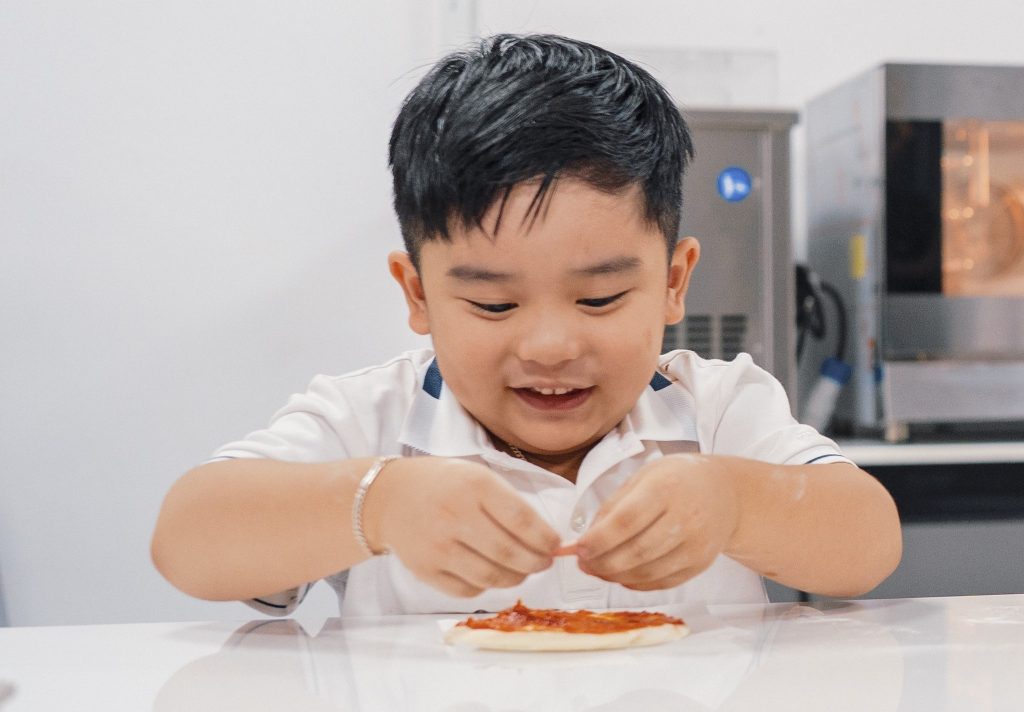
Below are simple ideas parents can apply right in their own kitchens to inspire children to explore the world of food in a joyful and emotional way.
1. Create a Space Where Children Can Freely Explore the Kitchen
A child-friendly kitchen environment is the first important step in sparking culinary passion. When children are free to touch vegetables, smell fruits, or watch flour being mixed, their natural curiosity is activated. Parents can prepare a small kitchen corner with safe tools such as wooden spoons, silicone whisks, plastic molds, and a few simple ingredients.
Even this small change can make children feel that they have their own “creative space,” where they can experiment freely without fear of being scolded or disturbing adults. When the kitchen becomes a familiar and welcoming place, confidence and interest in cooking will naturally grow day by day.
2. Let Children Start with Simple Tasks
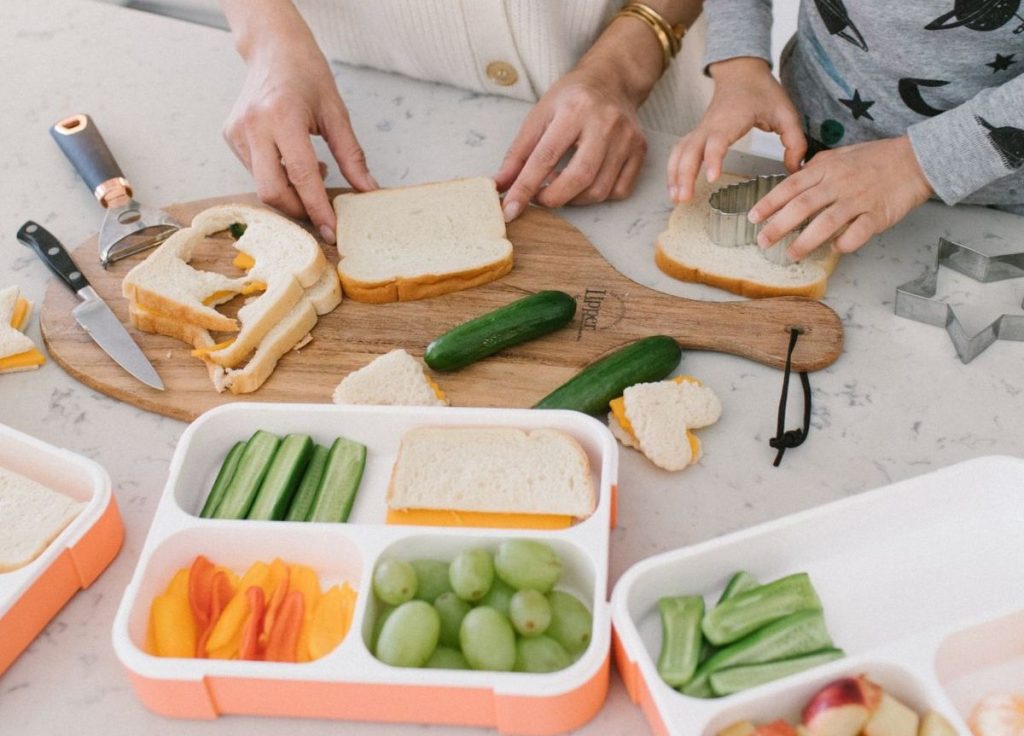
To spark a child’s passion for cooking, there’s no need to teach complex recipes. Children are often most excited by small tasks that show immediate results, such as decorating bread, mixing fruit salad, making parfaits, pouring gelatin into molds, shaping cookies, or creating mini pizzas. Completing even a small step gives children a strong sense of achievement—“I did it myself”—which motivates them to return to the kitchen again.
Most importantly, allow children to create in their own way. A slightly crooked decoration, bold color choices, or unusual ingredient combinations are all part of a child’s personal expression. When their ideas are respected, children develop confidence and courage to experiment, making the process of nurturing a love for cooking more natural and sustainable.
3. Turn Cooking into a Fun and Meaningful Experience
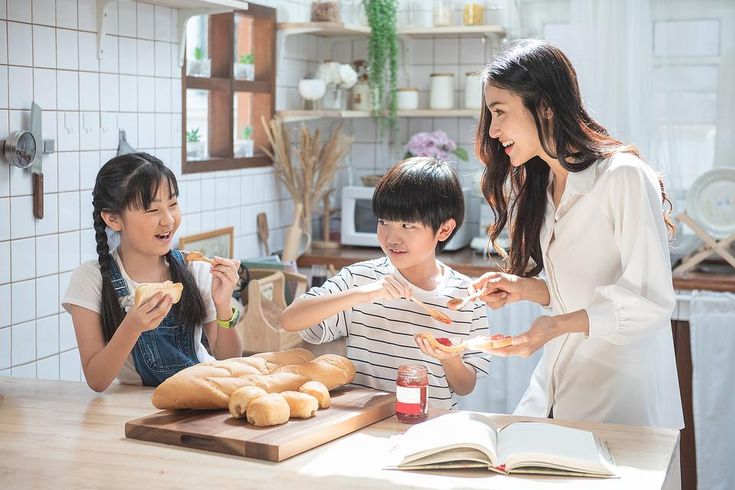
Young children learn best through play. Parents can transform kitchen time into creative games such as “green-themed dinner,” “the happiest cake,” “colorful parfait,” or “five-color dish challenges.” These small activities not only excite children but also help them experience food with curiosity and joy.
During these playful moments, parents can gently introduce simple knowledge about colors, flavors, ingredient properties, measurements, or even stories about where foods come from. When learning happens naturally, inspiring a child’s passion for food becomes light, enjoyable, and fulfilling.
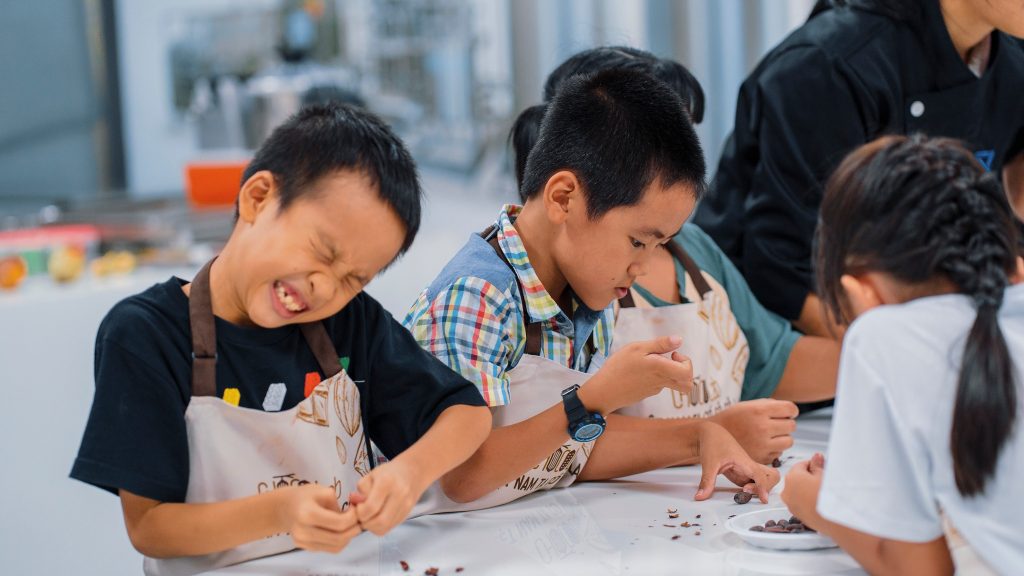
Encouragement also plays a key role. Simple compliments like “You did such a great job,” “That’s a really creative idea,” or “I love how you combined those colors” can make children proud of their efforts. Feeling recognized builds confidence, encourages independence, and motivates children to keep exploring the kitchen.
Nurturing a love for food doesn’t require elaborate experiences or complex equipment. With just a small kitchen corner, a little quality time, and timely encouragement, parents can create meaningful moments with their children. Every time a child enters the kitchen is an opportunity to learn something new, develop skills, spark creativity, and build initiative. And perhaps, from these simple experiences, you are planting the first seeds of a beautiful passion that will grow with your child throughout their journey to adulthood.